Patient-reported assessment of ophthalmic medical information (RANZCO Poster #157)
Purpose
Limited local data exists on how ophthalmology patients use online resources. Misinformation can affect their understanding of symptoms and treatment, potentially undermining trust in their medical practitioners.
This project aimed to determine where Vision Eye Institute (VEI) patients source information on their eye conditions, which sources they trust, and the impact this has on their decision to seek care or adhere to their treatment plan.
By examining patients’ information-seeking behaviour, clinicians can better tailor resources and guide them toward reliable medical information.
Methods
A prospective anonymous patient survey (HREC approved) of new or existing VEI patients over 18 years of age.
Patients could participate:
- In VEI clinics by scanning the QR code on posters displayed in the waiting room or by completing a hard copy of the survey
- By clicking the link provided in a VEI social media post (Facebook, Instagram, LinkedIn) and VEI patient newsletter.
Results
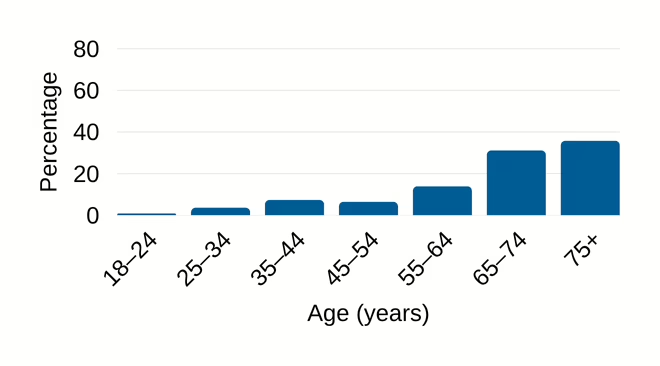
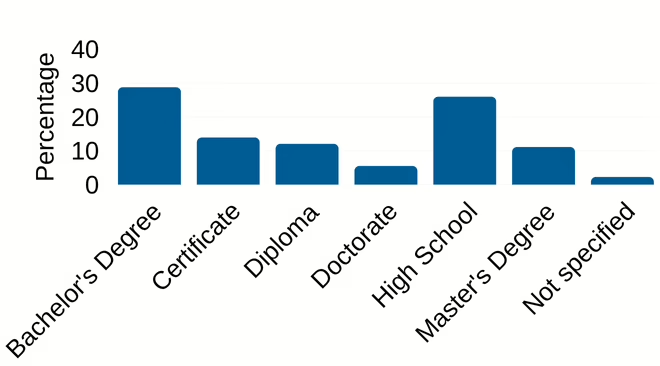
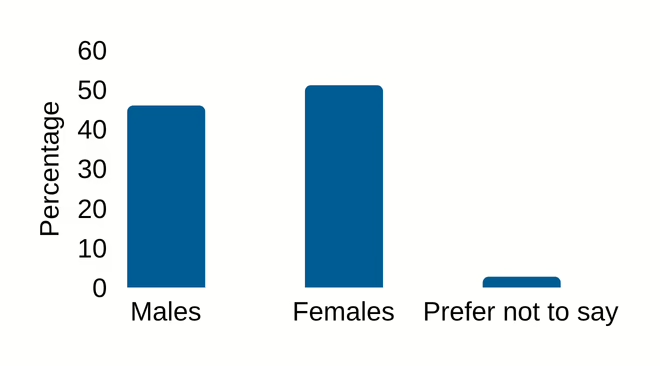
Responses were collected between March and September 2025 (n = 215). Survey outcomes were collated and analysed according to age group, education, and gender.
-
- Most participants were from VIC (42%) and NSW (36%) vs QLD (11%), SA (8%) and unspecified (3%).
- There was no statistical difference between the two genders.
- People with tertiary education sought out medical journal articles and other medical/healthcare professional websites more often (p = 0.025 and p = 0.014, respectively).
FIGURE 1. AGE OF PARTICIPANTS
-
FIGURE 3. GENDER OF PARTICIPANTS
-
FIGURE 4. MOST RECENT CONSULTATION AT VEI
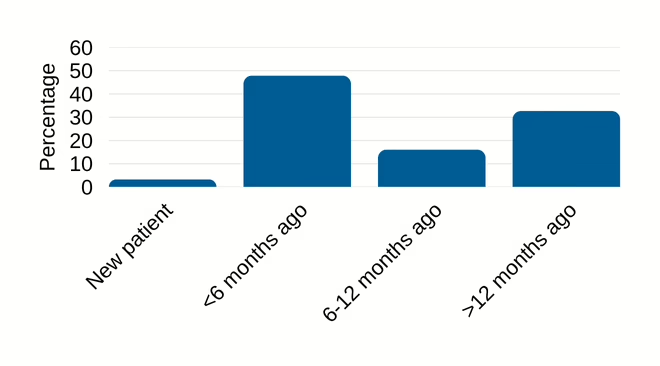
FIGURE 5. LOCATION OF PARTICIPANTS 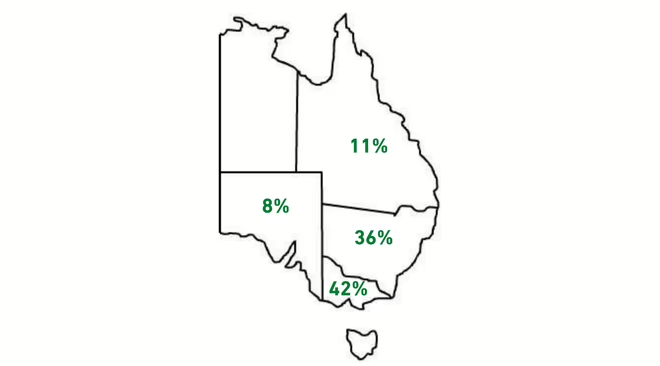
-
FIGURE 6. SOURCE OF EYE HEALTH INFORMATION
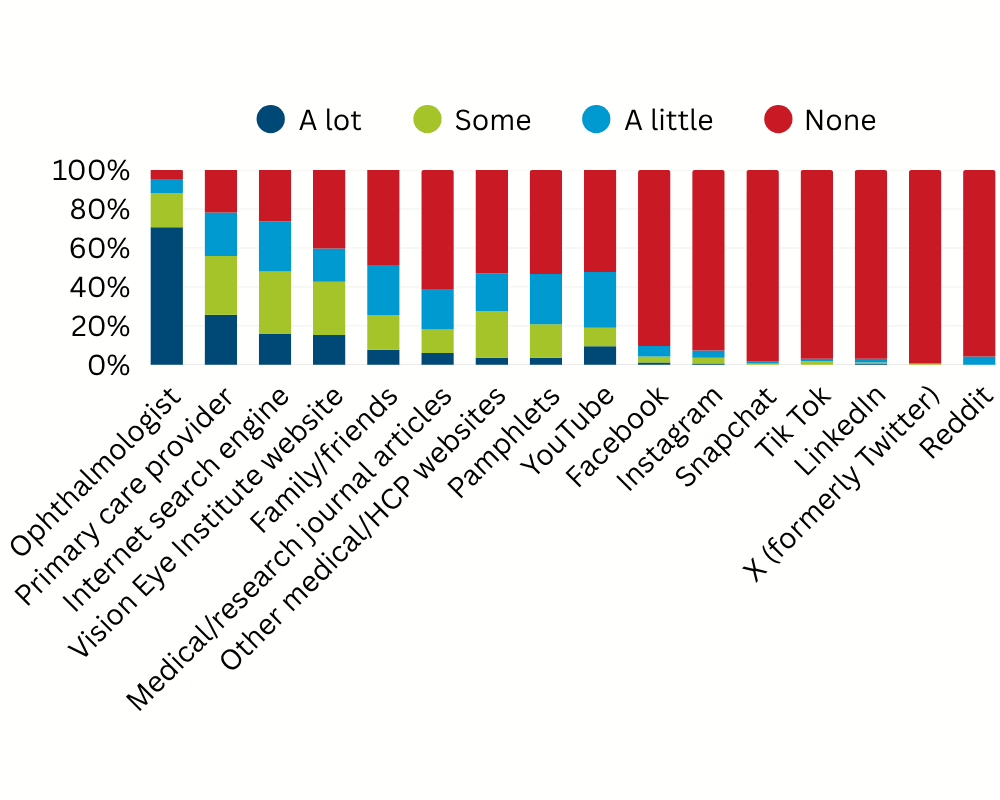
FIGURE 7. TRUST IN EYE HEALTH INFORMATION SOURCES 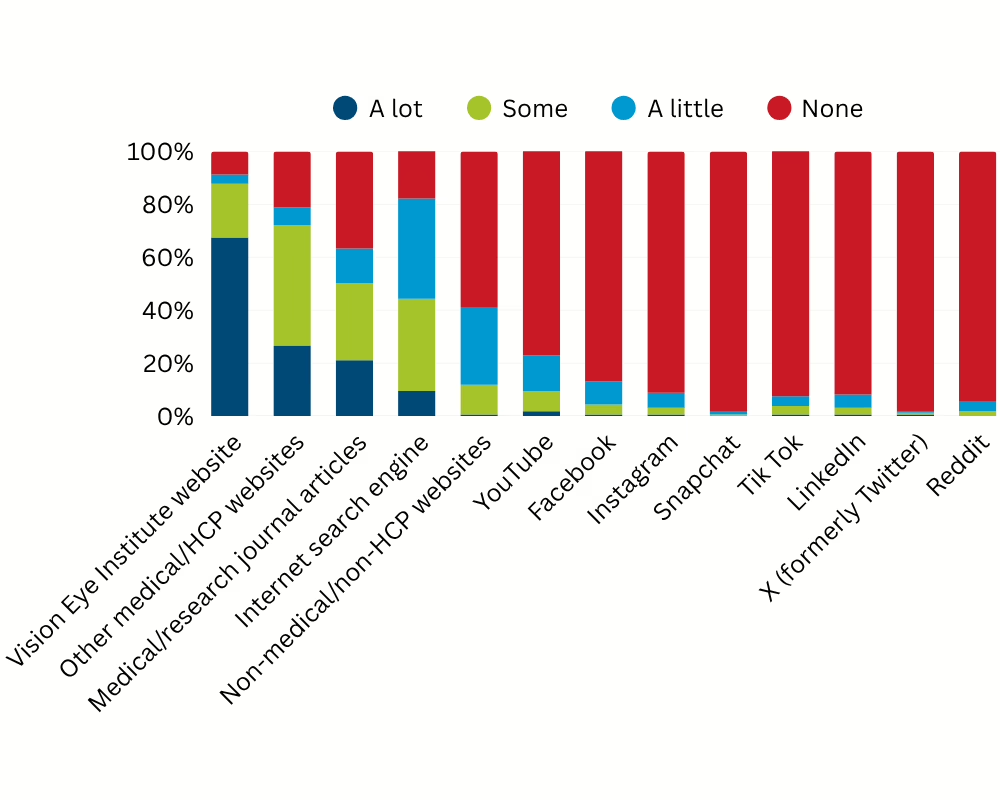
-
FIGURE 8. SOURCES OF EYE HEALTH INFORMATION BY STATE

FIGURE 9. TRUST IN ONLINE SOURCE BY STATE (ANSWERED ‘A LOT’)
-
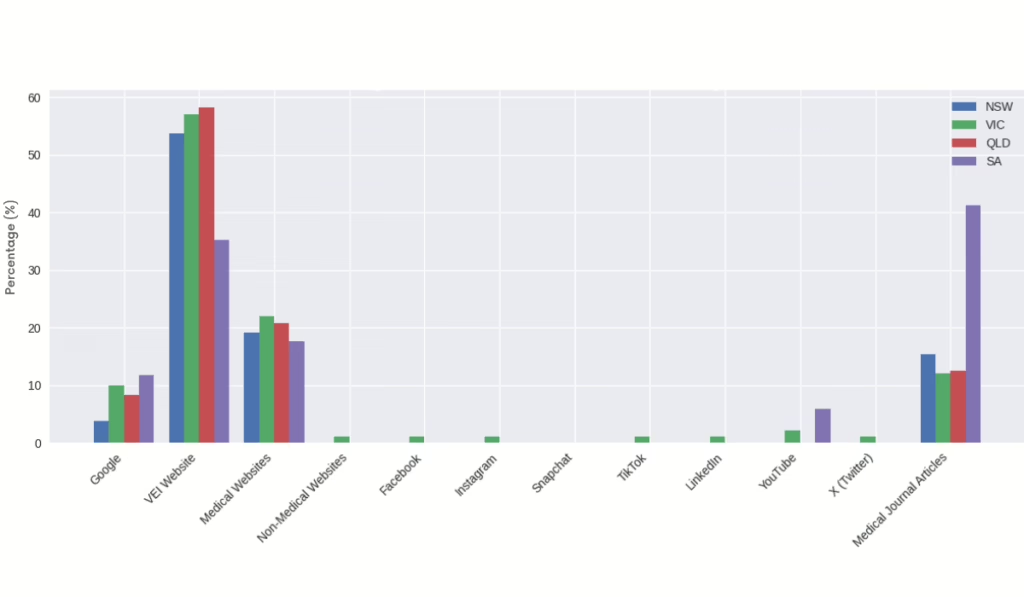
FIGURE 10. REASON FOR SEEKING EYE HEALTH INFORMATION (ANSWERED ‘OFTEN’) 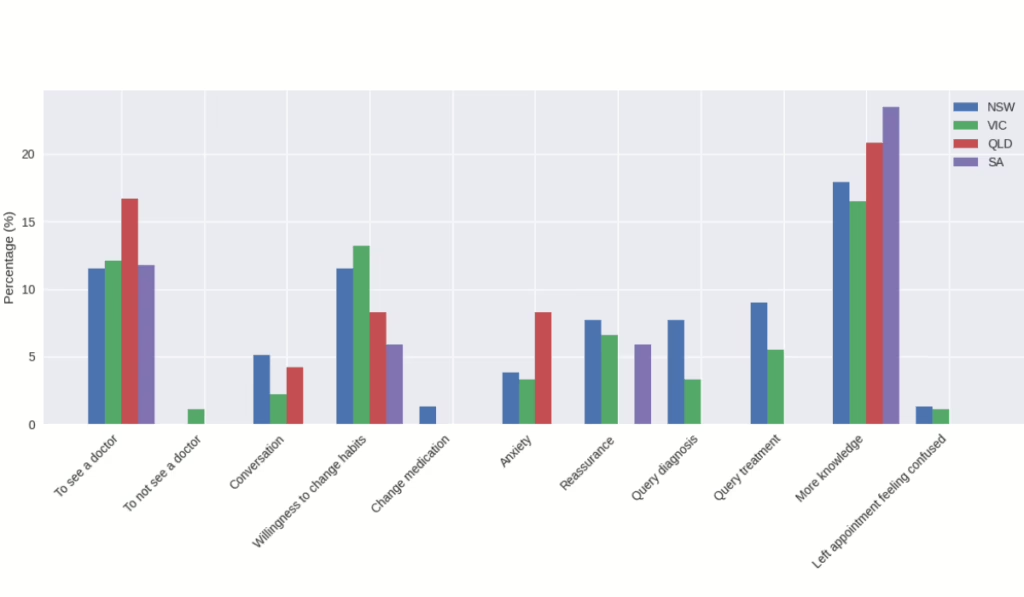
Conclusions
Many patients rely on reputable sources for eye health information, such as ophthalmologists and primary care providers. This was also reflected in online information, with the most trusted source being the VEI website.
- Patient use and trust of social media platforms (Facebook, Instagram, X, YouTube, LinkedIn, TikTok, Snapchat, Reddit) for eye health information is generally low. Notably, the majority of participants were aged 45 years or older (n = 188). The eye health information patients sought often influenced their decision to see a doctor or adjust lifestyle habits. It may also affect their understanding and acceptance of their eye condition and treatment. Providing clear, readily available information is key to optimising patient understanding and adherence regarding potential treatment and follow-up. This survey reinforced the role of clinics and identified a corresponding lack of trust in available social media. However, data collection is ongoing to ensure the robustness of data comparisons.